
“Independence is happiness.”
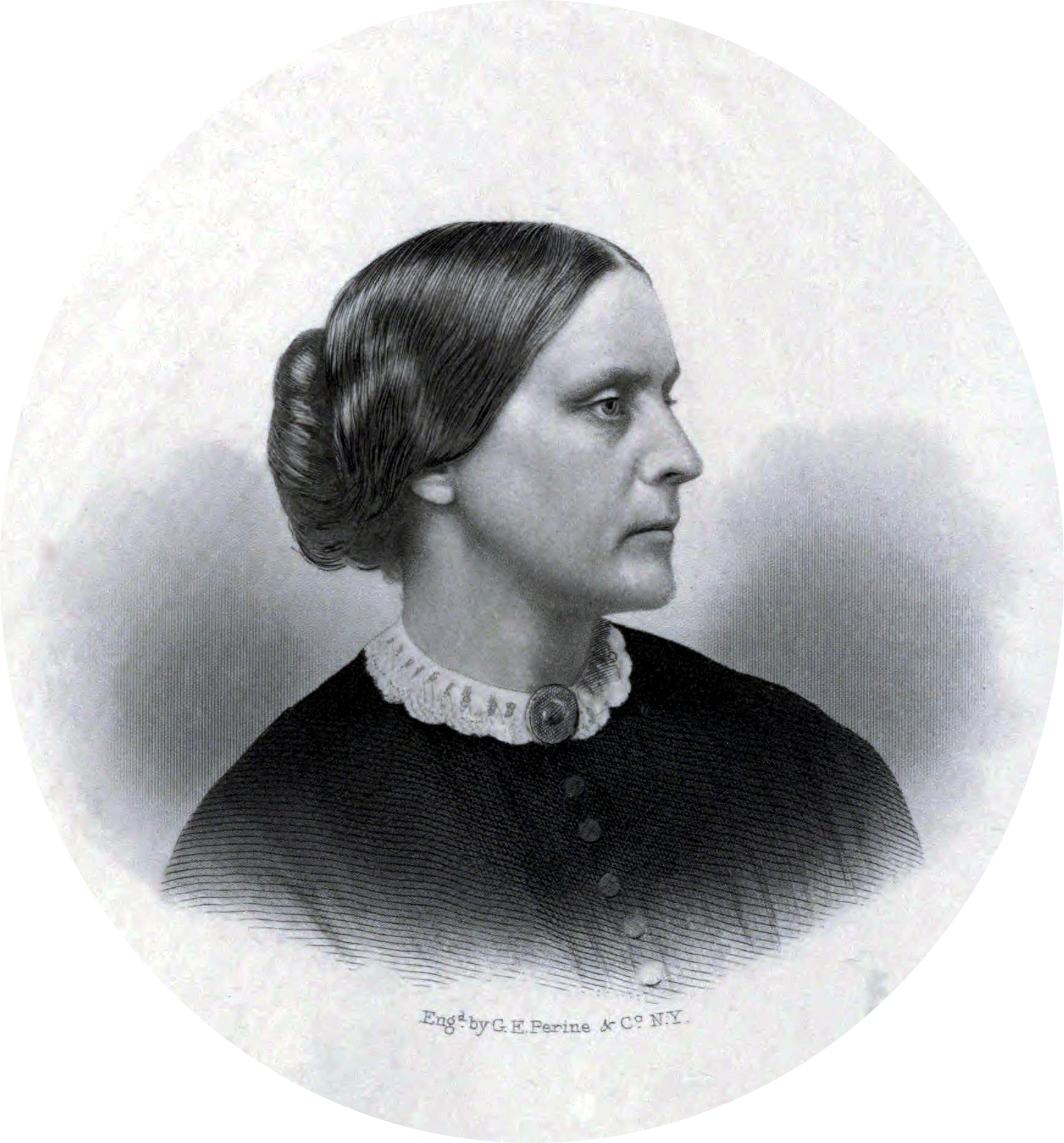
Susan B. Anthony 1820 to 1906
Also on Apple Podcasts, Spotify and YouTube.
This line is attributed to Susan B. Anthony (1820 to 1906), who was arrested for voting in 1872, refused to pay the fine for the rest of her life, and died fourteen years before the amendment carrying her name passed; no source for the sentence has been located.
The conversation plan
Take this into a classroom.
Claim
Deciding for yourself is what makes a person content.
Counterclaim
People are made happy by being needed and connected, and independence pushed far enough is isolation.
Essential question
How much independence do we actually want?
The rest of the plan
Prompts, handout, teacher guide.
4 storytelling prompts go with this conversation, along with the printable student handout and teacher guide. Those are part of the Teach Different community, together with the full library of plans and the monthly live trainings where teachers work through them.
Transcript
Read the full transcript
Steve Fouts 0:03
Hey everybody, Steve and Dan Fouts here. We are teaching different with women’s rights activist Susan B. Anthony with a quote about freedom. “Independence is happiness.” The word independence is something that students can appreciate. It means you’re self-reliant, you’re able to do things on your own. You have freedom and control over what you’re able to do. Students have a sensitive outlook on this, because they’re often being told what to do by adults as they’re growing up. Some feel constrained in certain environments, and really want this independence. They want to be able to control their own destiny, but they also don’t make great choices all the time and get reprimanded. There are consequences or punishments when they go astray. They want adults to trust them to make good decisions on their own. Here we have a quote that is essentially arguing that freedom is what? What would you say the claim is?
Dan Fouts: 1:28 – Claim
It seems like she’s saying that the more freedom you have, the happier you are. Independence is happiness. You mentioned students being familiar with the word independence. They’re also familiar with the word happiness, right? Susan B. Anthony is trying to wed these by saying they are essentially the same thing. If you go after your freedom, then you will be happy. In fact, it is happiness. Look at the Declaration of Independence – life, liberty, and the pursuit of happiness. That was the whole purpose of us forming our own country. I think this claim will resonate with students.
Steve Fouts 2:17
I think a good storytelling prompt you can use with the students is to ask them to share if they prefer to do things on their own in order to have more control, or if they prefer to have other people plan and lead for them. I think independence is an important word, and freedom is really important to certain people. It would be good to bring that out and get them to raise their consciousness about how important freedom is to them.
Dan Fouts 3:04
You can ask, what are some things that you’ve done independently that have given you happiness? A simple one is that after school they hang out with their friends. They have control and independence over what they’re doing. That is what makes it a happy experience. People aren’t telling them how to have fun. That’s the simplest example.
Steve Fouts 3:30
Yes, and I think a lot will gravitate toward doing what they want, and feeling like there are no constraints. When you’re having fun, you don’t want people to constrain you.
Now, let’s push back and come up with a counterclaim to this. Can we get them to think about this idea of freedom and how it relates to happiness? What would you say the counterclaim is?
Dan Fouts: 4:02 – Counterclaim
Giving up freedom to trust others leads to happiness. It’s not independence that leads to happiness, but giving it up leads to happiness.
Steve Fouts 4:23
That goes back to the scenario I was suggesting earlier how some people like to be followers. They don’t want the responsibility of making decisions. They like putting their trust, as you say, in other people, and being part of the crowd or part of the group. That’s a way to have an identity as well. You never feel alone. You always have support and people protecting you. They’ve got your back, and you don’t have all the other responsibilities that come with freedom.
Dan Fouts 5:01
I agree with that. There are certain people who have to experience happiness as a group. It’s a group thing. If they were to say, I just want to be independently happy and have freedom, it would lack a certain quality to them. They don’t want to do things on their own. I’m thinking of Susan B. Anthony and how it makes sense why she would make this claim. She was fighting for independence for women; for women to be respected in society and to be able to vote. She sees freedom as happiness in that sense.
Steve Fouts 5:45
Yeah, that makes me think that the idea of freedom is situational. The value of independence for a student is going to depend on their unique situation. If they have very strict rules that they have to abide by, either at home or at school, they’re going to view independence a bit differently. Whereas, if they have the ability to do what they want most of the time, they might not value independence and freedom as much. They might be looking for other ways to get meaning to keep them motivated.
Dan Fouts 6:37
Another good example of this is the Coronavirus outbreak. Going with the counterclaim, that giving up your freedom to trust others will lead to happiness. That’s exactly what is being modeled right now. You are not able to be independent or free to leave your house and to do things. You have to obey certain rules that are above you. The government is making the claim that if you follow these rules, you will be happier because society will be able to reopen and things will be better. This is where freedom would not lead to happiness. In fact, no one would be out having fun.
Steve Fouts: 7:26 – Essential Question
So, let’s wrap this conversation up with the essential question. Can you be happy without freedom? Answering a question like this will be a nice summary of this conversation. I think linking happiness and freedom will get the students to think deeply about those two things. It will definitely raise their self-awareness and make them realize how much they value being able to control what it is that they do, and how much that they’re willing to give to others to make decisions for them.
Dan Fouts 8:05
Yes, I think this would be a very interesting question for them. I think the question itself makes them realize that they assume freedom means happiness. The way the question is posed, can you be happy without freedom, really pushes their understanding here and opens up a new perspective for them on whether or not happiness can come without freedom.
Steve Fouts 8:34
Definitely, and it should be a really good conversation. So, that’s what we have with Susan B. Anthony this week. Make sure you visit our Conversation Library where we have many conversations like this, each with a different quote, a sample claim, counterclaim, and an essential question to get you started.
We will see you soon.
Dan Fouts 9:05
Alright, take care.