
“It is better to be alone than in bad company.”
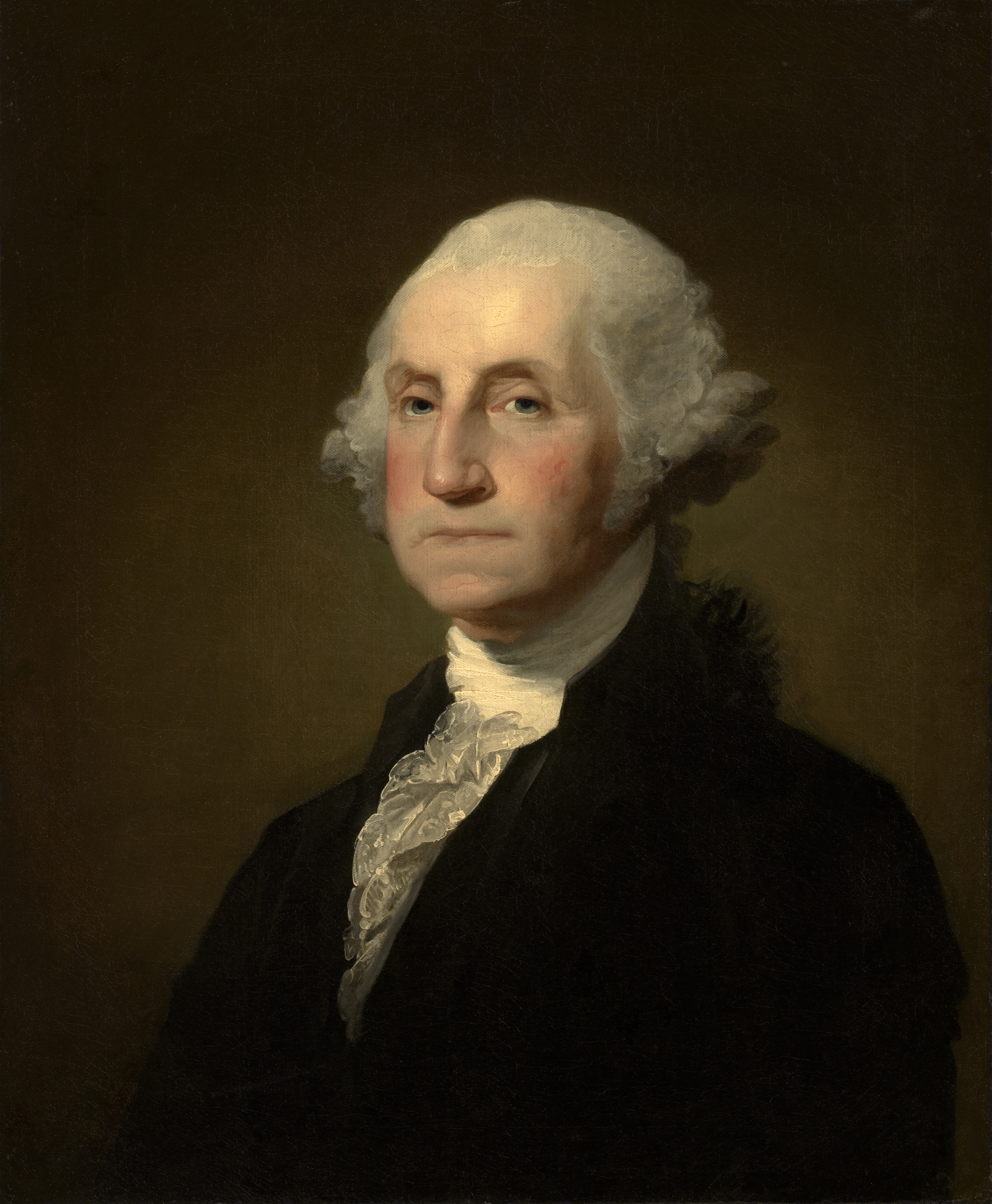
George Washington
Also on Apple Podcasts, Spotify and YouTube.
This line is attributed to George Washington, who copied out a hundred and ten rules of conduct as a schoolboy and kept them. The saying itself is older than he is and travels in Spanish as a proverb.
The conversation plan
Take this into a classroom.
Claim
The company you keep is a large part of who you become.
Counterclaim
Being alone has its own cost, and isolation stunts a person as surely as bad company does.
Essential question
How much does the company you keep shape who you are?
The rest of the plan
Prompts, handout, teacher guide.
4 storytelling prompts go with this conversation, along with the printable student handout and teacher guide. Those are part of the Teach Different community, together with the full library of plans and the monthly live trainings where teachers work through them.
Transcript
Read the full transcript
Steve Fouts 0:05
Hello everybody, Steve and Dan Fouts here. We are teaching different with the first American President George Washington with a quote about character. “It is better to be alone than in bad company.” Character is a term that is used by adults. It deals with who you are as a person and what you think of yourself as a person. Are you doing the right things in your life or are you straying from that by getting involved in things that aren’t helping you or other people. This quote gets to the heart of that and a decision that people have to make on a daily basis about whether it is better to be alone. Is it okay to be around people who might be bad company, people who might not serve your interests? Would you get into trouble? This is a question that people may ask themselves before making decisions on how to spend their time and be a good person. What claim do you see him making in this quote?
Dan Fouts: 1:26 – Claim
Don’t surround yourself with people who you think are bad, who have a bad character. It’s better to keep to yourself, and stay away from them, presumably because by spending time with people who have a bad character, sooner or later, that bad character might rub off on you. To keep yourself pure, you need to stay away from people who are bad influences. You could ask students to talk about a time when they decided not to hang around certain people, because they would have been a bad influence on them. You made an ethical choice to be away from people who might cause you harm, and in some way, character harm.
Steve Fouts 2:28
You could also ask the students if they have a group of friends who are tempting to hang out with, but they know if they follow that crowd they’re going to end up in some type of trouble. There are some risks involved. It’d be interesting to get their take on that as well. I think students go through this moral choice on a daily basis. They have a sense of what is right and what may tempt them away from doing the right thing.
Dan Fouts 3:08
For the times when they decided to avoid bad company; you might want to ask what gave them the strength to ignore those people? Where did you get that strength?
Steve Fouts 3:24
Exactly. Did you feel like you missed out on something? Do you feel like your life is a little bit more boring because of that?
Dan Fouts 3:32
That’s so important for self-awareness and ethical responsibility. We often make good moral choices, but we don’t know why they’re good moral choices, until we think about it, and reflect on it. By articulating why we made that choice, we repeat that in the future, because we’re able to be aware of it.
Steve Fouts 3:57
Well, let’s push back against it. What’s a good counterclaim against Washington here?
Dan Fouts: 4:05 – Counterclaim
For the claim, we talked about people not wanting to be around bad company, because that bad company might rub off on them. Another way to think about this quote, to push against what Washington said, is that it’s your responsibility to be with people who are bad company, because you might be a good role model for them. Maybe you will rub off on them. Don’t be afraid of being the one person making good decisions in a group. That’s a moral responsibility as well.
Steve Fouts 4:48
One thing I would add to that is this idea of being judgmental toward other people. Some students are judgmental and they feel like they have the world figured out. They know who the good and bad people are, and they’re going to stay on the good side and only deal with those people. They feel like they’re on another level and that these other people are misguided. It’s a little bit judgmental, on some level, to say that you know what bad company is. Everyone’s going through a struggle in their lives, and sometimes your best friend might be hidden in this bad company.
Dan Fouts 5:39
If you’re always looking to see the bad and being judgmental of people, then everybody’s going to be bad company to you. But, if you start seeing the good in people, there’s a silver lining in being with people who we might otherwise judge as bad. They might be good inside.
Steve Fouts 5:57
Yeah, exactly. It avoids exclusivity in the way that you treat other people. You’re more open minded. If you believe you can go into any environment, any setting, where there are bad characters, and remain yourself, then that’s going to be a positive force in your life.
Dan Fouts 6:25
Right. Maybe another way to think about this, and to stick with the counterclaim, is that this might be a leadership opportunity for you to be in a setting where a lot of people are thinking differently. Can you withhold your strong opinions and be yourself in a crowd of people who think differently? That’s a leadership skill.
Steve Fouts: 6:47 – Essential Question
That builds resilience. Don’t shy away from it. I think the counterclaim could be a really strong position against this. Well, here’s an essential question you could use to wrap up this conversation, should you avoid bad people? This question gets to the heart of the way students are thinking about themselves, their awareness of who they are. What forces help them become a better person, or bring them down? How aware are they of these things? I think it’s a really straightforward question.
Dan Fouts 7:41
Yeah. In the realm of ethics, and doing the right thing, should we avoid bad people? It’s a good ethical question to ask.
Steve Fouts 7:51
We hope you enjoyed George Washington. Make sure you visit our Conversation Library where we have many conversations like this, each with a different quote, a sample claim, counterclaim, and an essential question to get you started.
Take care, everybody. We will see you soon.
Dan Fouts 8:23
Alright. Take care.