
“Self-development is a higher duty than self-sacrifice.”
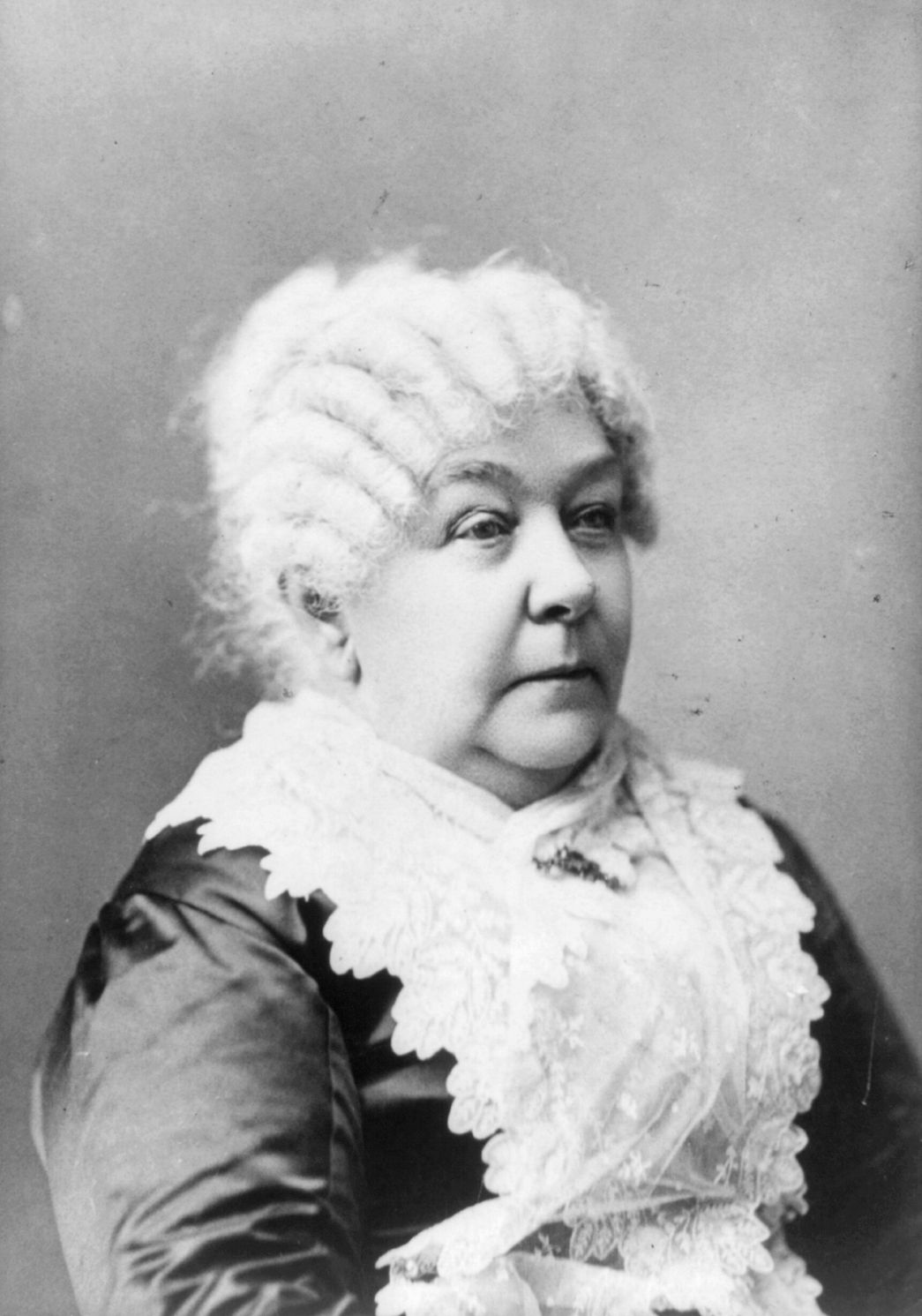
Elizabeth Cady Stanton 1815 to 1902
Also on Apple Podcasts, Spotify and YouTube.
Elizabeth Cady Stanton (1815 to 1902) wrote this in The Solitude of Self, delivered when she was seventy-six, arguing that every person stands finally alone and so must be equipped to stand.
The conversation plan
Take this into a classroom.
Claim
Building yourself is a duty, and it comes before giving yourself away.
Counterclaim
Sacrificing for others is the higher calling, and self-development is what people call it when they want to be left alone.
Essential question
Which comes first, becoming yourself or serving others?
The rest of the plan
Prompts, handout, teacher guide.
4 storytelling prompts go with this conversation, along with the printable student handout and teacher guide. Those are part of the Teach Different community, together with the full library of plans and the monthly live trainings where teachers work through them.
Transcript
Read the full transcript
Steve Fouts: 0:01 – Claim
Hey everybody, Steve and Dan Fouts here, and we are teaching different with women’s rights activist Elizabeth Cady Stanton with a quote about self development. “Self-development is a higher duty than self-sacrifice.” Now, the words development and sacrifice, when put in a quote like this are interesting to me, because one refers to the individual, and the other refers to other people. It’s a decision that we all make as we go through life when there are things that we want for ourselves. We know we have to take care of ourselves, and do everything we can to make ourselves successful, but we see other people who are struggling, and we feel we have a responsibility toward them. Sometimes we find ourselves in situations where we have to make a choice between our needs and other people’s needs. We make decisions situationally. I really like this quote. What claim do you see Stanton making?
Dan Fouts 1:13
Yeah, I think this is an ethical claim, she’s making that by saying taking care of yourself is more important than taking care of others. The word duty is what I focused on because that made me think of the moral dimension, that we have a duty to our self above other people. That’s an interesting way to look at this. I’m thinking about students and how this would be a simple conversation to get started. You can ask the kids to talk about a time when they put their own needs before other people. When did that happen? Why did you do that? Why did you think of yourself before others?
Steve Fouts 2:07
It is a good question, because I think the advice you usually give students, and maybe the advice we usually give people, is that you do need to think of others. Students are younger, they’re a little more self-absorbed, and maybe a little more selfish than adults. The older we get, the more we’re thinking of others. We have our own families, and other people who look up to us, so we feel responsible for them. But, students are in a position where others are taking care of them. I think asking a question like that would be really good. When did you make a choice that you were more important than others? How did that end up? Did you feel guilty? Did you feel like it was the right thing to do?
Dan Fouts 7:04
Yes, sorry to break in, but then maybe ask them, how did you develop yourself as a result of the choices you made to focus on just yourself? This conversation could get into the idea of what does it mean to develop? What are you developing into?
Steve Fouts 3:28
Really good. I think it would also start heading into a follow-up question about whether or not developing yourself and thinking about yourself can help other people. If you’re only thinking of other people, and you’re not helping yourself, you end up getting frayed at times. You might not be there for others when they’re looking up to you. I think that’s a really good way to kick the conversation off.
Let’s move into the counterclaim. What’s the best way to push back against quote?
Dan Fouts 4:07
The more traditional perspective, which is equally valid, is that taking care of others is a higher duty. We should be thinking of other people when we act. That is a higher moral duty than to think of yourself all the time. There are many situations where that would absolutely be the case.
Steve Fouts 4:33
It’s making me think of a conversation we have in the library. I believe it’s by Gandhi about sacrifice. His point is that when you lose yourself, when you lose your meaning, or you lose your way in life, the best way to get back on track is to do things for other people. That’s a way to find out who you are and get back in the right way.
Dan Fouts 5:05
Gandhi would say that that is a way to develop yourself, that through serving others, you’re developing yourself. You’re just approaching it from a different direction.
Steve Fouts 5:16
It’s a valid counterclaim, because I think we all get caught sometimes putting a lot of pressure on ourselves and thinking that we’re the only thing that matters. If we don’t do things for ourselves, we’re not going to be successful. If we spend time volunteering, or thinking about other people, it’s postponing our own development. But, that’s not true.
Dan Fouts 5:46
I was thinking, in the midst of this Coronavirus, that you see this tension between duties, because we’re getting messages to do things for others, like shop for people who are vulnerable so they don’t have to endanger themselves in public. There are things like that, and then the health care workers sacrificing for others. Then there’s this message about self-care. Take care of yourself. People are anxious. People are afraid. So, you should focus on yourself, too. You see that tension even now,
Steve Fouts 6:29
And the debate about how long we should stay locked down and closed. At a certain point it’s eating away at our own self-worth, at our own abilities to function as individuals. If we don’t want to go out there and try to reopen society to get back to normal, to try to interact with people …
Dan Fouts 6:58
There are personal needs that are not being met.
Steve Fouts 7:02
Exactly. After a while, if you’re not meeting your personal needs, it’s going to be really difficult to help anybody else.
Dan Fouts 7:12
This is one of those quotes where the more you dig into it the deeper it gets, and the more you realize it applies to everybody. This is not just students, but everybody can find meaning.
Steve Fouts: 7:25 – Essential Question
Absolutely. Let’s try this essential question to wrap up the conversation. When is the right time to put your own needs above others? I would love to hear the students share what criteria they would set up to guide them on how to know when they are the ones that they need to take care of, and when they should be thinking of other people. That’s the best way to develop yourself.
Dan Fouts 8:07
Right. The important part is that they ask this question, because by asking it they’re considering both sides, and they’re making themselves more morally sensitive to how they want to act in life.
Steve Fouts 8:22
Exactly. We hope you enjoyed Elizabeth Cady Stanton. Make sure to check out our Conversation Library. We mentioned the Gandhi conversation that’s in there, and there are dozens of other conversations that you can review, plus resources to make having these conversations in your classroom possible. Take care, everybody. We will see you soon.
Dan Fouts 8:57
All right. See you soon.