
“The only thing we have to fear is fear itself.”
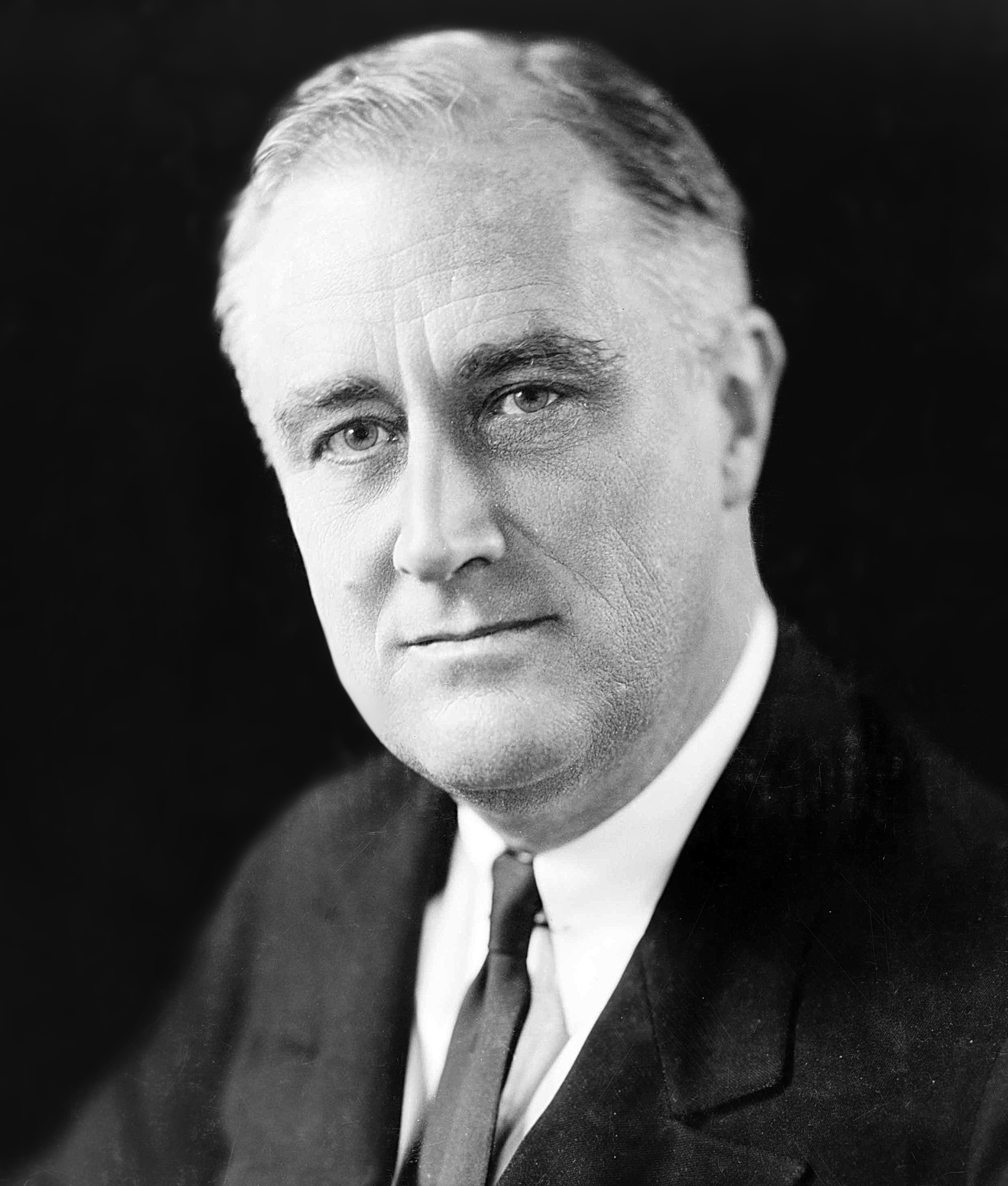
Franklin D. Roosevelt 1882 to 1945
Also on Apple Podcasts, Spotify and YouTube.
Franklin D. Roosevelt (1882 to 1945) opened his first inaugural address with this in March 1933, speaking to a country where a quarter of the workforce had no job and the banks were closing.
The conversation plan
Take this into a classroom.
Claim
Fear is the obstacle, and facing it is what lets us move.
Counterclaim
Fear is information. It keeps people out of situations that would genuinely harm them.
Essential question
When should we push through fear and when should we listen to it?
The rest of the plan
Prompts, handout, teacher guide.
4 storytelling prompts go with this conversation, along with the printable student handout and teacher guide. Those are part of the Teach Different community, together with the full library of plans and the monthly live trainings where teachers work through them.
Transcript
Read the full transcript
Steve Fouts 00:02
Hey everybody, Steve and Dan Fouts here. We are teaching different with American president, Franklin Delano Roosevelt, with a quote about fear. I’m sure you’ve already heard the quote, “The only thing we have to fear is fear itself.” This quote is cutting to the heart of something that we all experience. What I like about it is that it brings in the mental aspect. Dan, what would you add?
Dan Fouts 00:36
I think the interesting part about fear, and why it’s such a difficult thing to get a hold of, is that when you’re afraid of something you’re never quite sure whether or not you’re making it up in your mind or if you actually have a legitimate reason to be afraid. Sometimes it’s a combination of something that you should probably be afraid of but then your mind spins it out of control and makes it worse than it is. I think everybody can connect.
Steve Fouts 01:19
Well, what claim would you say he’s making?
Dan Fouts: 01:23 – Claim
“The only thing we have to fear is fear itself.” It’s as if FDR is saying that fear is a state of mind that we have, and what we have to be afraid of is letting it consume our mind, to fear letting our mind go out of control to the point that we make something worse than it actually is.
Steve Fouts 01:54
Yeah, I think the word control is key here. He’s saying that we need to control our fear. This idea of fear being a mentality is appropriate for the coronavirus crisis, because the virus itself is invisible, your mental fear is invisible. You can’t see what it is that you’re afraid of, but you have this mental decision and feeling that you’re going to be afraid.
Dan Fouts 02:29
Right, when you see people you’re afraid, you touch something and you’re afraid, you feel symptoms of a cough, and you’re afraid. It’s like it’s all around you.
Steve Fouts 02:41
So, I agree with you that the claim he’s really making here is that you’ve got to grab control of that and then hopefully you don’t make it worse than it already is. What’s the push back to this? What’s the counterclaim?
Dan Fouts: 03:00 – Counterclaim
I think one way to look at the counterclaim is to say fine, maybe I’m thinking too much, and I need to control my mind, but when something really bad and tragic is happening, then I should be afraid. If people in my community are becoming sick with the coronavirus, then I should be afraid enough to change my behavior. It’s not just in my mind.
Steve Fouts 03:33
Now I’m thinking it’s real, right?
Dan Fouts 03:37
Right.
Steve Fouts 03:38
During this pandemic, the party goers and spring breakers weren’t afraid at all. They were in control of themselves, but they were putting other people and themselves at risk by doing that.
Dan Fouts 03:54
And, they’re making us afraid of them.
Steve Fouts 03:55
Then it just multiplies and gets out of control. With the counterclaim, it’s this idea that a little bit of fear and anxiety can check your behavior in positive ways that help keep you safe.
Dan Fouts 04:12
To push this conversation along, I think it’d be great to prompt the kids to share a time when they were really afraid. What were they afraid of and why were they afraid? Did your thinking about the fear make it worse? How did it make it worse? For other kids in class, who might not be as fearful, try to draw them out by asking them to talk about a time when they remained calm in the midst of a fearful situation.
Steve Fouts 04:55
Sure.
Dan Fouts 04:56
How were you able to do that?
Steve Fouts 04:59
If you’re using this conversation during the coronavirus, one thing you could ask is if they find themselves being more fearful now that they’re more isolated and distancing themselves from other people, or are they more comforted by that? That would be an interesting thing to have them share.
Dan Fouts: 05:22
Yeah, what have they been afraid of during the coronavirus pandemic?
Steve Fouts: 05:29 – Essential Question
Exactly. Well, here’s an essential question you can ask to close up the conversation. How do we know when we should be fearful?
Dan Fouts 05:44
In terms of a curriculum connection, I think talking about the virus outbreak would be a really good subject matter, for all the reasons that we talked about. Of course, you could use this quote when teaching World War II and how FDR was dealing with Germany and Pearl Harbor before getting into World War II. It would be an interesting essential question for a conversation to get the kids personally invested in this idea of fear, before they learned about World War II. Then they will have a personal investment in what they’re learning. I think either one of those would work really well.
Steve Fouts 06:37
Yeah, I think those would be really good curriculum connections. Fear being this state of mind that you may or may not be able to control and whether that’s good for you to control. Some interesting themes could be addressed.
Well, that’s it with FDR and the quote about fear. We hope you enjoyed it and we’ll be back soon with another quote and conversation. Visit our Conversation Library to check out more conversations using our 3-step method, plus resources to help you have great conversations in your classroom. We will see you soon. Take care everybody.
Dan Fouts 06:55
See you everybody.