
“You are not only responsible for what you say, but also for what you do not say.”
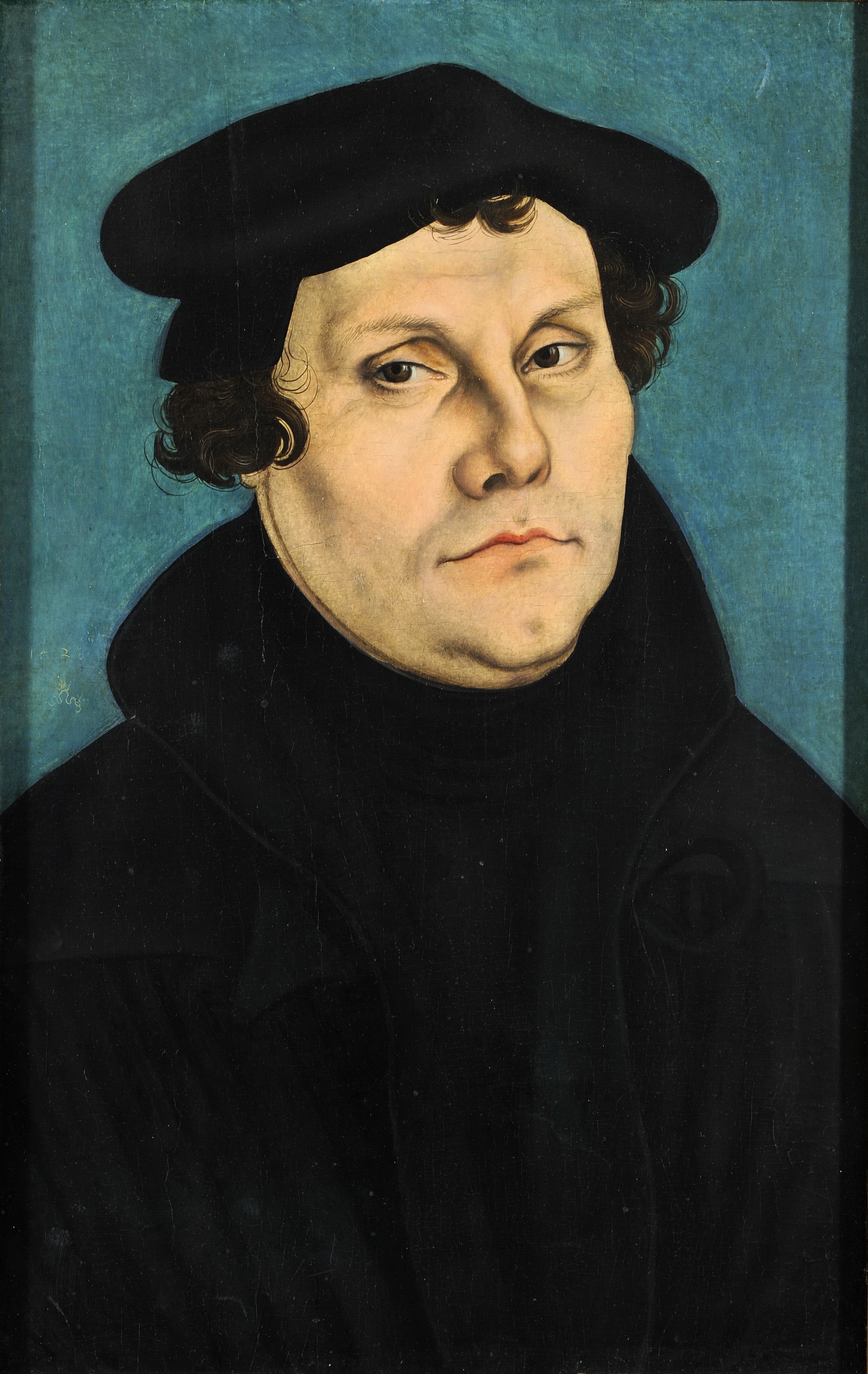
Martin Luther 1483 to 1546
Also on Apple Podcasts, Spotify and YouTube.
This line is attributed to Martin Luther (1483 to 1546), who nailed his objections to a church door and then refused to withdraw them in front of an emperor; no source in his enormous body of writing has been located.
The conversation plan
Take this into a classroom.
Claim
We are responsible not only for our words but also for our silence in the face of wrongdoing.
Counterclaim
Sometimes silence is necessary, and there are situations where speaking up is not the responsible choice.
Essential question
Are we responsible for the things we choose not to say?
The rest of the plan
Prompts, handout, teacher guide.
4 storytelling prompts go with this conversation, along with the printable student handout and teacher guide. Those are part of the Teach Different community, together with the full library of plans and the monthly live trainings where teachers work through them.
Transcript
Read the full transcript
Steve Fouts 00:04
Hey everybody, this is Steve Fouts with Teach Different, and I’m here with Dan Fouts. We’re going to Teach Different with Martin Luther today. Here’s his quote on responsibility. “You are not only responsible for what you say, but also for what you do not say.” The theme of responsibility is something that students are going to be able to relate to, they are told to be responsible by adults, their principle, and their parents. They’re just starting to learn that their individual needs and selfish behaviors sometimes need to be checked, because there are other people around them who they have to take into consideration. Dan, what would you add to that? What is he saying with this quote?
Dan Fouts: 00:55 – Claim
Kids are told to be accountable for their own actions. That’s a theme that’s pitched by their school and by their parents. It’s a message that’s constantly present. Martin Luther is saying you’re not only responsible for what you say, but also for what you do not say. It’s an interesting take on responsibility. That being silent doesn’t absolve you of responsibility, you are still accountable. This immediately makes me think of something like bullying.
Steve Fouts 1:33
Exactly.
Dan Fouts 1:34
Someone is being mistreated, and another student sees it. They have the responsibility to do something about it. If they don’t say anything and silently walk by, that doesn’t relieve them of responsibility.
Steve Fouts 1:53
Yeah, inaction makes you just as responsible for something bad happening as actually being the perpetrator.
Dan Fouts 2:01
Right.
Steve Fouts 2:02
Depending on the age of students, it might be interesting to mention good Samaritan laws from Great Britain. If you see a crime being committed you can get in trouble for not reporting it. You can actually be arrested for not reporting it. I think this is something students struggle with, because they see injustice every day in how they’re treated and the way they treat each other. Martin Luther would basically come and say…
Dan Fouts 2:38
…you have a responsibility to say something. Don’t hide behind the veil of silence. To get this discussion going I think all you need to ask is if anyone in the room has ever seen something that they knew was wrong and spoke up about it or not spoke up about it?
Steve Fouts 3:01
Yeah.
Dan Fouts 3:02
See where they go with that.
Steve Fouts 3:03
How did you make that decision? I think that’s a really good one to start with. Now when you get a discussion going there, you’re going to get some students to step up and take a counterclaim against this. Dan, what would you say is a good argument, that’s not the right word but what’s a good?
Dan Fouts 3:25
Push back.
Steve Fouts 3:26
Push back to this claim?
Dan Fouts: 3:27 – Counterclaim
Well, I would say that people don’t like to be told that it’s their fault, that they’re responsible and accountable for what other people do. It’s hard enough to manage your own life, and now you have to speak up when other people are not doing what they need to be doing.
Steve Fouts 3:47
Right.
Dan Fouts 3:48
There’s a frustration. I think there’s a legitimate counterclaim that other people need to worry about their own business.
Steve Fouts 3:55
Mind your own business is not bad advice. If you’re minding your own business, you’re not going to take action when you see a wrong being done. It doesn’t mean that you agree with what’s being done, but it means that you’re going to mind your own business because you’ve been taught that’s the right thing to do.
Dan Fouts 4:16
Yeah, minding your own business. It’s exhausting to be responsible for what other people do.
Steve Fouts: 4:22 – Essential Question
There’s a quick picture of what a conversation might look like. If you bring up bullying with this quote, that’s going to really drive this conversation. Here’s an essential question that you can use to close up this conversation and hopefully lead into some curriculum in your class. How do you know when you should speak out against injustice?
Dan Fouts 4:48
Now, I’ll be thinking about this conversation and where you could put it in your curriculum. How could this conversation be used to make your content more interesting and engaging for students? That’s what we’re about here at Teach Different. We have these conversations to encourage emotional engagement with the students and then you always bring this back to your curriculum. That’s what’s going to bring learning to a new level.
Steve Fouts 5:19
So, there’s Martin Luther with the theme of responsibility. Make sure you visit our Conversation Library where we have many conversations like this, each with a different quote, a sample claim, counterclaim, and an essential question to get you started. We hope you enjoyed it.
Dan Fouts 5:41
Alright, have a great day!
Steve Fouts 5:42
Take care everybody.