
“The best way to find yourself, is to lose yourself in the service of others.”
Mahatma Gandhi 1869 to 1948
Also on Apple Podcasts, Spotify and YouTube.
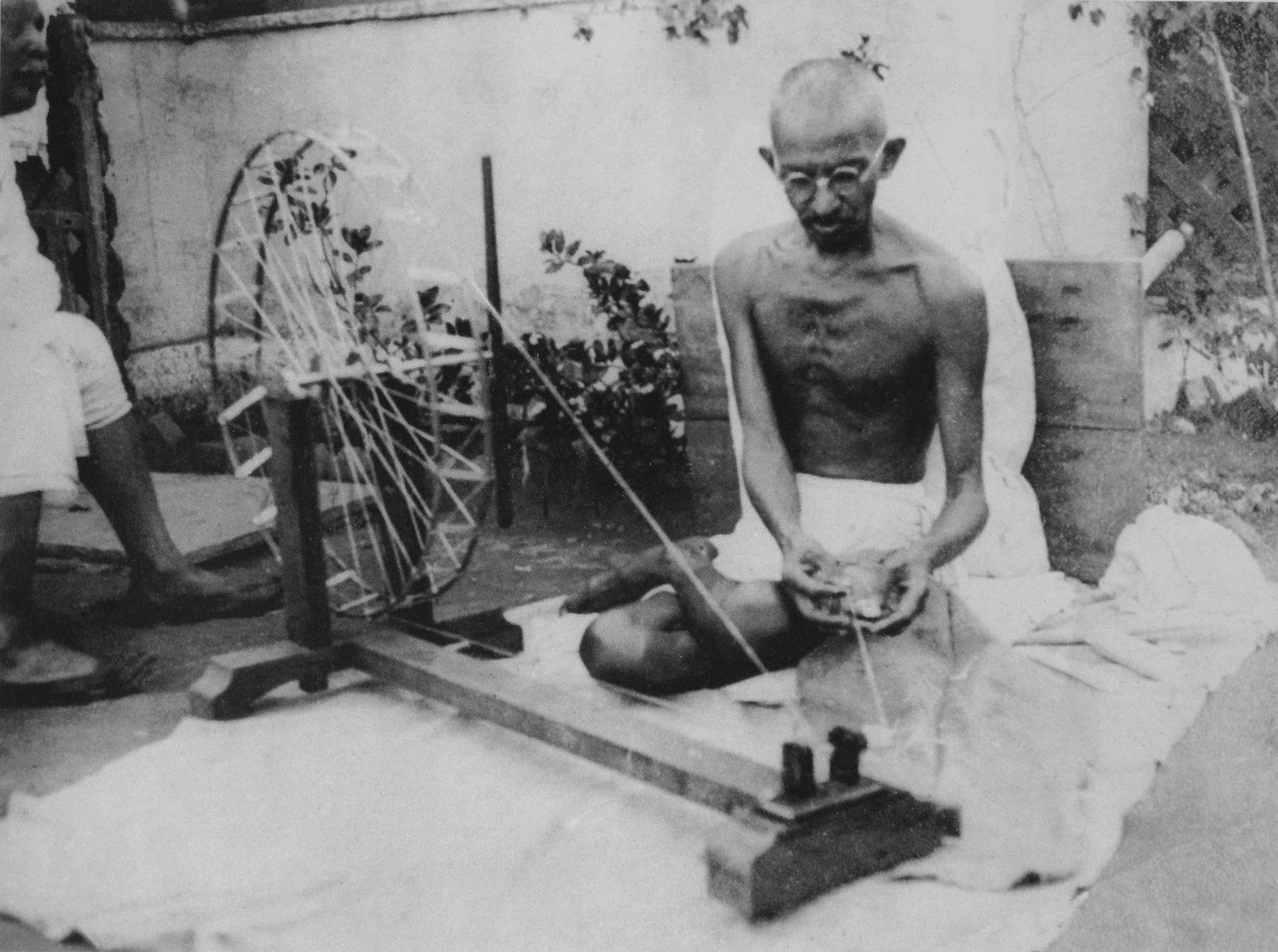
Mohandas Gandhi (1869 to 1948) gave up a comfortable legal career, took to spinning his own cloth, and spent the rest of his life inside other people's problems, which is where he said a person actually finds out who they are.
The conversation plan
Take this into a classroom.
Claim
You find out who you are by giving yourself to other people.
Counterclaim
You have to know your own mind first, or serving others is just a way of avoiding yourself.
Essential question
Can helping other people teach you who you are?
The rest of the plan
Prompts, handout, teacher guide.
4 storytelling prompts go with this conversation, along with the printable student handout and teacher guide. Those are part of the Teach Different community, together with the full library of plans and the monthly live trainings where teachers work through them.
Transcript
Read the full transcript
Steve Fouts 00:06
Hey everybody, Steve and Dan Fouts here. We are teaching different with anti-colonialist and nationalist Mahatma Gandhi with a quote about sacrifice. Here’s the quote. “The best way to find yourself is to lose yourself in the service of others.” The idea of finding yourself can mean different things to different people. It might be worth talking about this phrase with students, to get the conversation going, before tackling this quote. Sacrifice and helping others is something students are familiar with. Students have their own things that they like and want to do. They want to get ahead, and compete with their peers for different things. But, they’re also aware that they should be helping other people. This is a really important topic. Students can think about themselves as individuals, their relationships to other people, and the responsibilities they may have to themselves and others. Dan, what claim do you think Gandhi is making?
Dan Fouts 01:32 – Claim
I think he’s being very clear and profound here. In an ironic twist, the best way to find your own meaning in life, your own purpose, is to serve others. I think it would be really fascinating to have the kids write about an experience when they served others, and how it impacted their own sense of purpose. Some kids might talk about doing something at church, school, for their friend, or family. Encourage them to sit back and think about what serving others did for them. How did it come back to them in a positive way? Have them recognize that inside themselves. I think they will come up with some great stories.
Steve Fouts 02:31
Yeah, I agree. The generosity of children is amazing and inspiring. You get the sense that everybody has that generosity in them. During times like these, with COVID-19, social distancing, and the new ways we’re being asked to treat other people, plus our own concerns and anxiety about our health, it becomes a real challenge to think of, and be in service to, others. But, Gandhi is suggesting that even in these times, thinking of other people first might help us get through this.
Dan Fouts 03:25
Yeah, that’s a great point, Steve. It doesn’t take a lot to serve others. By staying home, even if you’re symptom free, you are serving others and protecting other people’s health. So, in a weird way, we have a grand opportunity to teach selflessness and sacrifice where everyone can participate.
Steve Fouts 04:00 – Counterclaim
Let’s come up with a little bit of pushback to this claim by Gandhi. I think there’s another way to look at the world that’s just as rational and understandable. Taking on challenges, overcoming them, and staying determined and motivated to always be the best version of yourself, is what is most important. Serving others may be good for some people, because that may be what they want, but other people might have other things that they’re good at and that motivate them. I think that’s the counterclaim.
Dan Fouts 04:59
Yeah, I think that that is an equally valid way of looking at this. It makes me think of self-happiness. Sometimes the best way to spread happiness in the world isn’t to focus on other people all the time, but to focus on your own sense of happiness. You know the saying, if your tank is empty, then you won’t have the capacity to give to others. Focus your energy on finding yourself.
Steve Fouts 05:38 – Essential Question
Self-preservation comes into play during a crisis like this. The minute you understand the danger, you have to think of yourself as well. Maybe going to the grocery store and hoarding supplies, because they need to think of themselves and their families first, is the right thing to do. Here’s an essential question you can ask to close up this conversation, and hopefully encourage thinking into new realms. Is sacrificing yourself for others, always the right thing to do?
Dan Fouts 06:29
In terms of a curriculum connection, any example in American history, including now with the Coronavirus, where there was a full scale war effort against an enemy and citizens were asked by the government to sacrifice something, would work well with this conversation.
Steve Fouts 07:10
Yeah. The war periods in American history are a great place to find individuals being asked to sacrifice by their government. Sacrifice and doing things for others sounds like a very innocent, kind, and generous thing to do. The dynamic of a government asking their civilians to do it is also a government theme, civil liberty. What are we willing to do for society and the government, and what do we want to do for ourselves? I think this is a good quote for American history or government.
We hope you enjoyed Mahatma Gandhi and his quote on sacrifice. Make sure you visit our Conversation Library where we have many conversations like this, each with a different quote, a sample claim, counterclaim, and an essential question to get you started. Thanks, everybody for joining us. We will see you soon.