
“The weak can never forgive. Forgiveness is an attribute of the strong.”
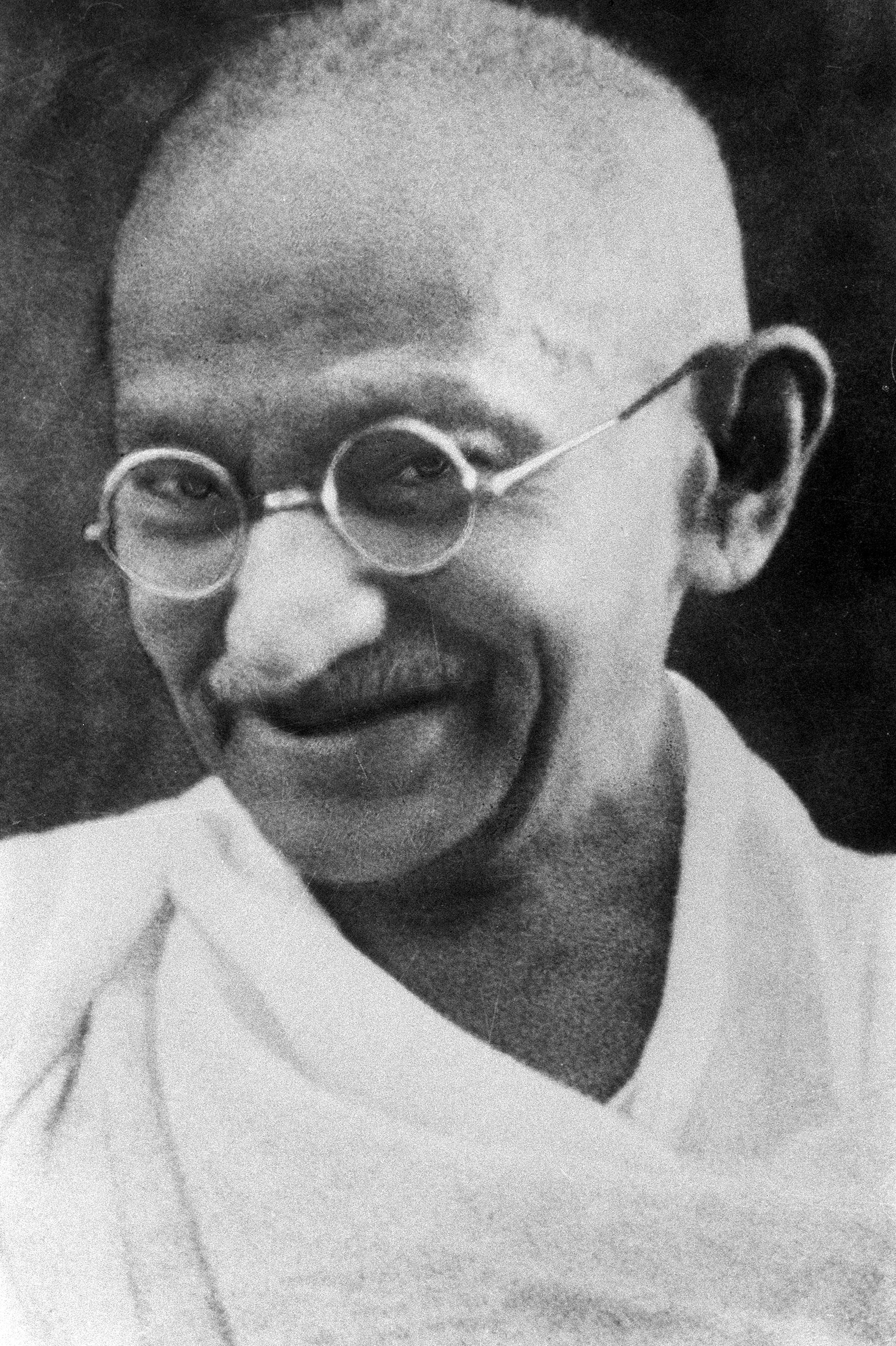
Mahatma Gandhi 1869 to 1948
Also on Apple Podcasts, Spotify and YouTube.
Mohandas Gandhi (1869 to 1948) wrote this in his newspaper Young India in 1931, in the middle of a campaign built entirely on refusing to answer force with force.
The conversation plan
Take this into a classroom.
Claim
Forgiving takes strength, because it means mastering your own anger.
Counterclaim
Forgiving too readily can mean giving up anger you had every right to, and letting harm go unanswered.
Essential question
What does real forgiveness look like, and what does it take?
The rest of the plan
Prompts, handout, teacher guide.
4 storytelling prompts go with this conversation, along with the printable student handout and teacher guide. Those are part of the Teach Different community, together with the full library of plans and the monthly live trainings where teachers work through them.
Transcript
Read the full transcript
Hello, Steve and Dan Fouts here from Teach Different. We’re veteran teachers from the United States bringing educators together from around the world to learn a simple conversation method, which we model on this podcast for you. If you’re a teacher, administrator, or parent who wants to use the power of conversations to build stronger relationships and fight polarization, stay tuned to hear the impact our method can have on your discussions. Then join our Community of Educators at teachdifferent.com for additional resources and to participate in lively conversations among teachers and faculty, free for 30 days.
Steve Fouts 0:05
Hey everybody, Steve and Dan Fouts here. We are teaching different with anti-colonial nationalist Mahatma Gandhi with a quote about forgiveness. Here’s the quote, “The weak can never forgive. Forgiveness is an attribute of the strong.” This notion of forgiveness is going to be familiar with students, and really all people, because it deals with hurt. Whether you’re the person who’s hurting others, or other people are hurting you, the question is what is the next step?
Dan Fouts 0:43
This gets into the ethical responsibilities of students. When students are hurt, or when they hurt others, they are choices to be made. They have to analyze the situation to determine the best way to treat people who have done them wrong. This quote strikes at the heart of moral decision making that students, and everyone else, have to make in their life. What claim is Gandhi making in this quote? Gandhi is coming down on the side of forgiveness being a sign of strength of character, because the weak can never forgive. That implies that only the strong can forgive. It’s an interesting way to say it. There’s something about being able to let someone off the hook, so to speak. To look at a situation, analyze it, and determine that it’s important to move on. That indicates a person has a strong personality. They’re not over taken by feelings of revenge. They have impulse control.
Steve Fouts 1:57
They’re able to control their emotions, at the very least, and look toward the good.
Dan Fouts 2:03
Right, and that is a sign of strength. To be calm is strength. In the classroom, ask the kids to talk about a time when they forgave someone for doing something. What did they do to you and why did you forgive them?
Steve Fouts 2:23
Did you regret that decision later, or were you thankful that you forgave them because they ended up being your best friend.
Dan Fouts 2:31
I’d also like to know when they forgave someone did they feel strength or weakness? Gandhi said that forgiveness is strength, so did you actually feel that way after it, or did you feel taken advantage of? There’ll be some very interesting stories from the kids.
Steve Fouts 2:55
Definitely, and everyone’s going to be able to weigh in on that. Everyone has an experience of forgiveness.
Let’s move to the counterclaim to this quote to keep this conversation interesting. I would say the counterclaim to this quote is that forgiveness is something weak people do. They don’t forgive because it’s a moral choice, or because they have impulse control, and they’re able to control their emotions. It’s really a sign that they’re weak, because they can’t get revenge. They have to forgive someone in order to get along, because they just don’t have the wherewithal to stand up to make sure that it doesn’t happen again.
Dan Fouts 3:52
Strong people hold others accountable. To not forgive someone is a sign of strength. It’s a sign of saying, I’m not going to take this. I’m going to hold you accountable for your ethical choices. It might make people feel uncomfortable, but it demands that they behave in certain ways. You can get a lot out of people when you convey to them that they’re not going to be let off the hook all the time. To keep this conversation going in class, you can ask the student to talk about a time when they forgave someone for something that they did. Did that make them feel strong? Was it the right thing?
Steve Fouts 4:43
Do you regret that decision or are you happy? That person wants to be your friend now, and they’re treating you better by using a different tact.
Dan Fouts 4:55
I see this conversation bringing out stories where forgiveness worked, and didn’t work.
Steve Fouts: 5:05 – Essential Question
That will be very interesting. To close the conversation up, here’s an essential question you can ask students, how do we know when forgiving somebody is the right thing to do?
Dan Fouts 5:23
For a curriculum connection, I think it would be great to go into the period of reconstruction right after the Civil War, where the North was put in this massive position of power over the South, and had to determine what the appropriate punishment for the South would be. The ethical choices that the North was faced with revolved around forgiveness. Should they forgive the South, or should they hold them accountable? The Radical Republicans wanted to hold them accountable, but Lincoln and his allies wanted to take a more forgiving approach to the situation.
Steve Fouts 6:10
I think reconstruction is a great example. That’s teaching different with Mahatma Gandhi. We hope you enjoyed the conversation and make sure you visit our Conversation Library where we have many conversations like this, each with a different quote, a sample claim, counterclaim, and an essential question to get you started.
Dan Fouts 6:30
We’d love to hear your stories on how you use these conversations in your classroom. Take care, everybody.
Thanks, everybody. We hope you’re walking away feeling energized by some great ideas, and have a sense of confidence that you too can master the art and science of conversations to make a lasting impact. We at Teach Different are dedicated to supporting you along that journey. Please visit teachdifferent.com to join our Community of Educators for additional resources and engaging discussion among fellow teachers and administrators, free for 30 days. We’ll see you there and next time on the Teach Different Podcast, take care!