
“To do nothing is also a good remedy.”
Hippocrates about 460 to 370 BC
Also on Apple Podcasts, Spotify and YouTube.
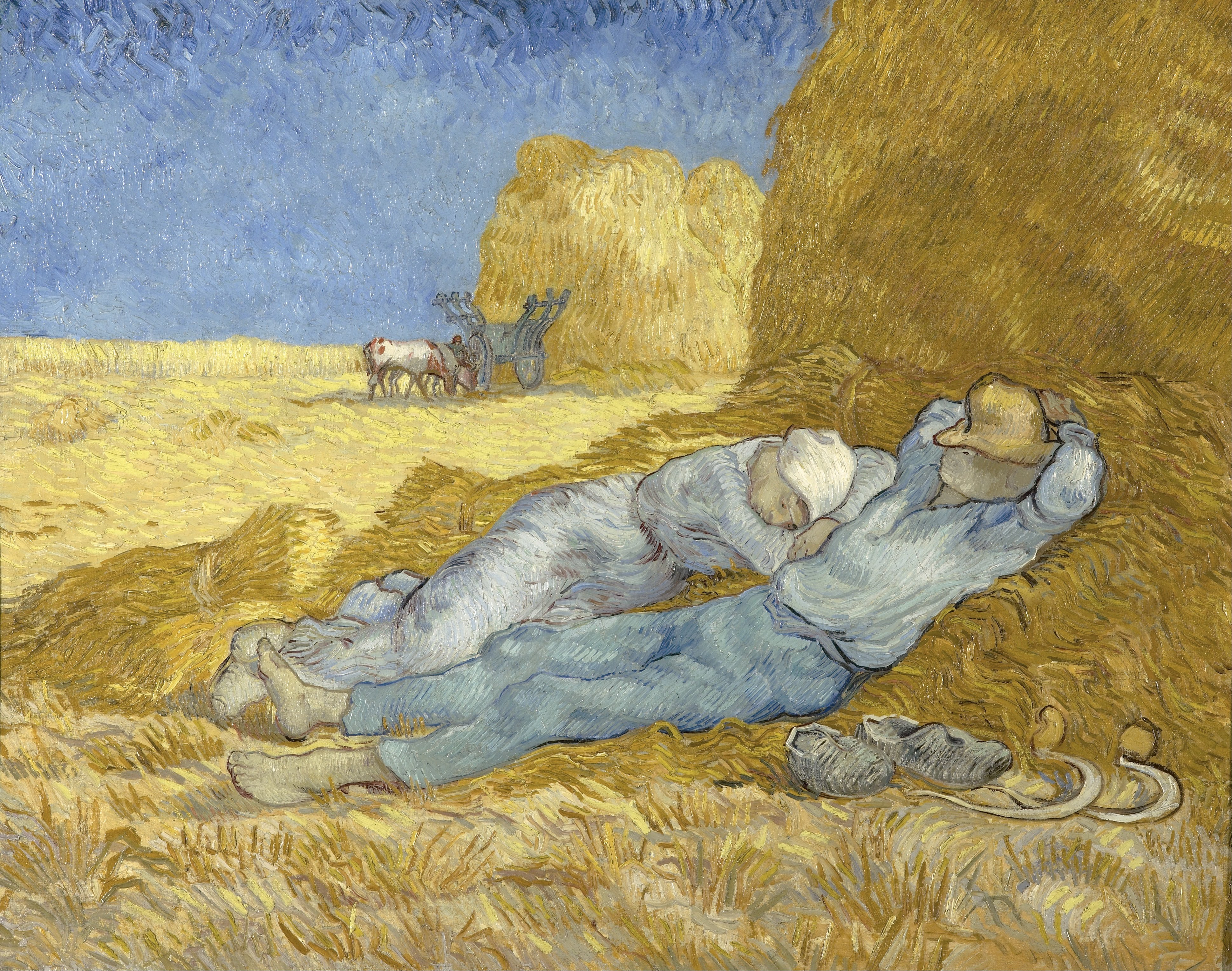
This line is attributed to Hippocrates (about 460 to 370 BC), the Greek physician whose school taught that the body heals itself and that a doctor's first duty is to avoid making things worse.
The conversation plan
Take this into a classroom.
Claim
Sometimes doing nothing is the best thing you can do.
Counterclaim
Waiting is usually just avoiding, and problems rarely fix themselves while you watch.
Essential question
Is doing nothing ever the right answer?
The rest of the plan
Prompts, handout, teacher guide.
4 storytelling prompts go with this conversation, along with the printable student handout and teacher guide. Those are part of the Teach Different community, together with the full library of plans and the monthly live trainings where teachers work through them.
Transcript
Read the full transcript
Steve Fouts 00:05
Hey everybody, Steve and Dan Fouts here. We are teaching different with Greek physician Hippocrates with his quote about problem solving. “To do nothing is also a good remedy.” This is the advice that you can give anybody who is trying to solve a problem. It could be a conflict among friends, a conflict with someone else, or just something in the world that they feel needs addressing. Problem solving is something that students are doing on a daily basis. They may not be conscious of it, but it’s something that they do. What I like about this quote is that it raises the consciousness of which problems you should be trying to solve. Dan what would you say the claim is? How would you encapsulate this quote?
Dan Fouts: 1:09 – Claim
I think the claim is pretty clear. When you sit down to assess and evaluate a problem sometimes a reasonable conclusion you should come to is to do nothing. We often associate doing nothing with inaction and being irresponsible, but, like you mentioned, this is a conscious decision you make given all the facts of a situation. I think it’s interesting to think of inaction as a legitimate response to a problem.
Steve Fouts 1:50
I completely agree. I see all kinds of stories. You could ask the students to talk about conflicts that they were either involved in, or that they saw happening, and how they reacted. Were there times when they did nothing and it ended up working out okay? Were there times when they did nothing and kicked themselves later thinking of what they should have done?
Dan Fouts 2:16
Right.
Steve Fouts 2:17
There are all kinds of experiences that students, or anybody, could share about this quote.
Dan Fouts 2:24
This is where teachers can jump into the conversation and talk about situations they’ve had with students where they chose inaction over action. One example is if a student is discouraged about a grade on a test. Teachers are often confronted with that problem, and many times the best solution is to do nothing. Let them realize that they didn’t study enough and they need to take personal responsibility. There’s nothing the teacher can do to solve the problem. As a teacher, you just listen and then that’s it. This applies to teachers very well.
Steve Fouts 3:13
Oh yeah, definitely. Teachers and parents could share experiences with this. This is a human quote. Let’s push against it, because this quote is saying something pretty radical to me. This idea that inaction, not intervening, isolating yourself from a situation may help. What’s the counterclaim?
Dan Fouts: 3:41 – Counterclaim
Intervention is the best remedy. Getting involved in a situation that calls for action is the right thing to do. Going back to the teacher example. If there’s something going on in class, like a student intimidating another student, you can’t take Hippocrates’ wisdom and do nothing. You have to call the student out or do something specific in that situation and intervene.
Steve Fouts 4:10
It’s the same principle with the students’ stories. They share an experience where they intervened into some type of conflict and later ended up kicking themself for getting involved and making the situation worse.
Dan Fouts 4:33
Yeah.
Steve Fouts 4:34
Or, here’s why I was happy that I intervened, because they thanked me later, and they said if I hadn’t been there, it would have been a lot worse.
Dan Fouts 4:51
Yeah. That makes me think of an example. If a student’s friend is involved in an unhealthy relationship, they are faced with the dilemma of speaking to their friend about their relationship or doing nothing to let their friend figure it out on their own. Sometimes intervening is absolutely the right thing to do and other times it makes it worse, but you don’t know beforehand. That’s why when given all the facts, you have to make your best judgment.
Steve Fouts: 5:25 – Essential Question
Here’s an essential question that can wrap up this conversation. How do we know when we should intervene to solve problems? That question can take students in so many different directions. I would love to read their responses to that question. Many of them have developed wisdom and may not even know it.
Dan Fouts 5:51
What I love about that question is that your answer will change with age and wisdom. How you answer it as a ten year old is going to be different than when you’re eighteen.
Steve Fouts 6:01
Of course.
Dan Fouts 6:02
It’s going to change throughout your life. Your ethics change to fit different situations.
Steve Fouts 6:10
Different situations will require different responses. It’s a really good question. Make sure you visit our Conversation Library where we have many conversations like this, each with a different quote, a sample claim, counterclaim, and an essential question to get you started.
Take care, everybody. We will see you soon.
Dan Fouts 6:40
Alright, take care.