
“It does not require many words to speak the truth.”
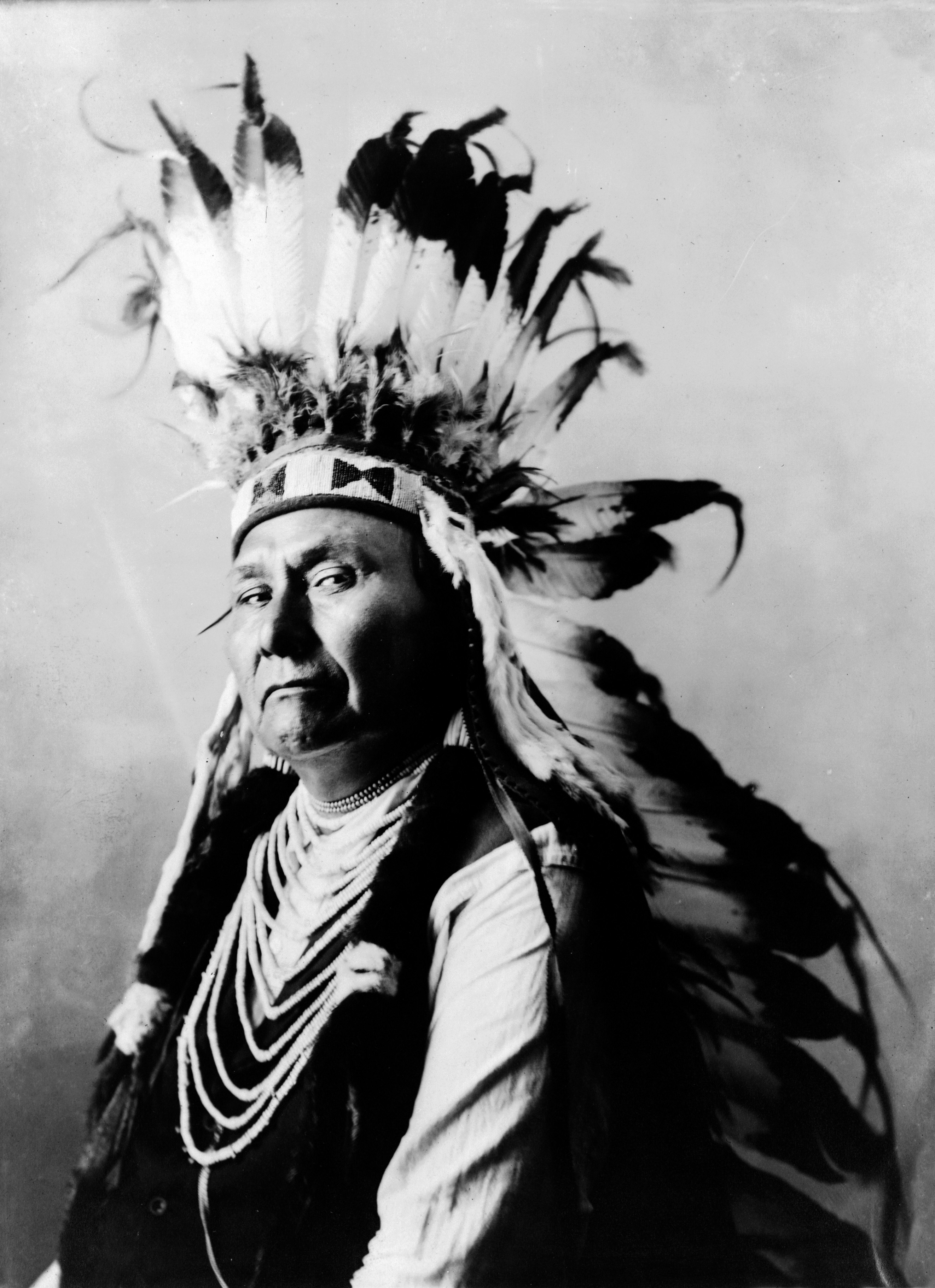
Chief Joseph about 1840 to 1904
Also on Apple Podcasts, Spotify and YouTube.
Chief Joseph of the Nez Perce (about 1840 to 1904) said this after leading his people on a fifteen hundred mile flight and then spending the rest of his life making the same short case to officials who kept not acting on it.
The conversation plan
Take this into a classroom.
Claim
The truth lands hardest when it is said simply.
Counterclaim
Some truths are complicated, and stripping them down turns them into something easier and less true.
Essential question
Does the truth need few words or the right ones?
The rest of the plan
Prompts, handout, teacher guide.
4 storytelling prompts go with this conversation, along with the printable student handout and teacher guide. Those are part of the Teach Different community, together with the full library of plans and the monthly live trainings where teachers work through them.
Transcript
Read the full transcript
Steve Fouts 0:06
Hey everybody, Steve and Dan Fouts here. We are teaching different with Chief Joseph and his quote about communication, “It does not require many words to speak the truth.” Communication is something that everyone does, but rarely do people think deeply about communication, and how using a lot of words, or using a few words might come off differently to other people. For example, it might make someone feel like you’re telling the truth, or not. This quote is really insightful in that sense. It’s short and simple. What would you say the claim that he’s making with this quote is?
Dan Fouts: 1:01 – Claim
People talk too much. To be flippant about it, the more words you use, the more confusing you become. That might be the way to rephrase this quote. I can’t resist bringing this into the conversation. Ask the kids to talk about a time when they got in trouble, were asked about what they did, and talked and talked and talked to try to get out of it. Their over talking communicated to the adult that they were guilty. I think that’s a great thing to bring into this conversation. There’s a lot of wisdom in what he’s saying, because sometimes the truth is very simple, and, for whatever reason, we want to over-talk, use too many words, to express it.
Steve Fouts 2:02
It’s also understandable given his history, his life, and the Native American plight. They were told and promised so many things that didn’t end up coming true. You can see the leader of a Native American tribe saying a quote like this, because it really is about your actions and the simplicity of your words that give someone a sense of who you are and what the truth is. The more you say things, the more confusing it gets. It makes it harder to follow what you’re saying when it’s all convoluted.
Dan Fouts 2:55
You role model communication by acting, not by talking. What you do conveys your true intentions.
Steve Fouts 3:10
Actions speak louder than words, right? That’s a perfect example of using the fewest words possible. I think that would be a good storytelling prompt with the students. Let’s make a counterclaim against this quote. What are you thinking?
Dan Fouts: 3:32 – Counterclaim
Well sometimes in life the truth isn’t simple. Sometimes you have to spend more time explaining and use many more words to get at what you’re trying to communicate. That would be the way I would process the counterclaim.
Steve Fouts 3:57
How do you bring that out? What are you thinking, as far as how to bring that out in the students? How do you get them to consider the idea that some things require more explanation?
Dan Fouts 4:11
Ask the kids to come up with a question that would require many words to answer. I’m trying to think of some of the questions they might come up with that would require an elaborate explanation. Maybe that would communicate this.
Steve Fouts 4:36
Maybe a simple question like, how did you feel yesterday, or trying to get someone to explain how they feel about you?
Dan Fouts 4:49
I’m noticing the examples you’re bringing up would be really good at encouraging the students to explain their emotions. More words are often needed to communicate the truth of emotions. It’s very important to explain your emotions to people in the spirit of good honest communication. That might be a situation where more words are actually better.
Steve Fouts 5:18
I know exactly what you mean. When you’re explaining your emotions, how you feel about something, or why you did something, you need to set up a scene, you need to set up a context, so that the other person understands why you made the decisions that you made. If you just tell them, this is what I did, it could be misinterpreted.
Dan Fouts 5:44
And emotions are messy. If emotions are messy, then the communication will also be a little messier. It’s hard to find the core truth of it.
Steve Fouts: 5:55 – Essential Question
Yeah, I like that activity. Ask them to come up with their own questions that require many or few words.
Let’s wrap this conversation up with an essential question. How do we know if somebody is telling the truth? You want to talk about a question that doesn’t have a clear answer. What will be important about this question is how the students break down communication, and what they’re looking for when they want to be sure that someone is telling the truth.
Dan Fouts 6:37
What I like about this question is that it’s going to reveal how students think of actions versus words in telling the truth. There are going to be students that answer this by saying, I don’t listen to people, I just watch them. That would be a fascinating thing to draw out of them from this conversation or in a writing activity.
Steve Fouts 7:12
Yeah, we could get some really good responses to this question. I hope you enjoyed Chief Joseph this week. Make sure you check out our Conversation Library to find one that fits any situation you’re teaching, along with a bunch of resources to make the conversation successful. Take care everybody. We will see you again soon.
Dan Fouts 7:55
Okay, take care.