
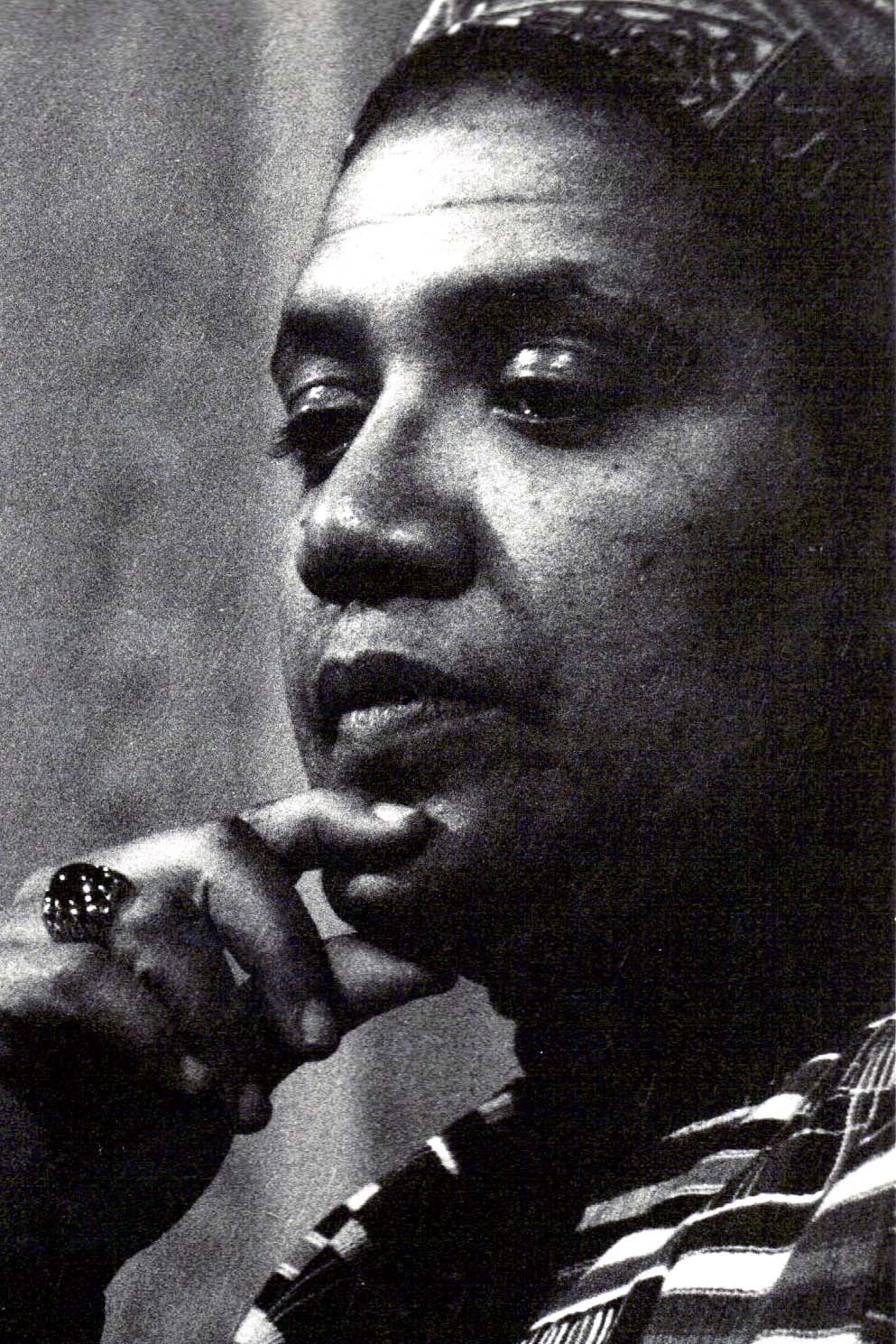
“Your silence will not protect you.”
Audre Lorde 1934 to 1992
Also on Apple Podcasts, Spotify and YouTube.
Audre Lorde (1934 to 1992) said this in a paper called The Transformation of Silence into Language and Action in 1977, delivered while she was waiting to learn whether a breast tumour was malignant.
The conversation plan
Take this into a classroom.
Claim
Staying quiet does not keep you safe. It only delays what is coming.
Counterclaim
Silence is protection when speaking would cost you your job, your safety or your place.
Essential question
When does staying quiet protect you, and when does it cost you?
The rest of the plan
Prompts, handout, teacher guide.
4 storytelling prompts go with this conversation, along with the printable student handout and teacher guide. Those are part of the Teach Different community, together with the full library of plans and the monthly live trainings where teachers work through them.
Transcript
Read the full transcript
Steve Fouts 00:02
Hey everybody, Steve and Dan Fouts here, and we are teaching different with American civil rights activist, Audre Lorde with a quote about self-expression. Here’s the quote, “Your silence will not protect you.” A really thought-provoking quote about how silence is somehow linked to protection and whether you say something or not will affect your safety. What claim would you say that it’s making?
Dan Fouts: 00:37 – Claim
Yeah, very thought provoking and she’s saying, hello people silence is not going to protect you. In other words, speak up. Your voice in the world is never going to be heard if you don’t have the courage to speak up.
Steve Fouts 00:54
And that sounds like something a Civil Rights Activist would believe.
Dan Fouts 00:56
Yes, and she spoke out against racism and sexism in the context of civil rights and so it totally fits her background.
Steve Fouts 01:09
Now, when it comes to the students and getting the conversation going, I think asking them to talk about a time when they were silent, because they felt like they needed to protect themselves would be a really good storytelling prompt. You’re going to get some interesting stories from that. They’re going to talk about their friends that they may have had to protect them. That’s going to be a good way to get this conversation going. Now, about the counterclaim. What is the push back to this one?
Dan Fouts: 01:43 – Counterclaim
Well, sometimes being quiet is the right thing to do. Sometimes not speaking out is the appropriate response, because you really do need to protect yourself or a friend. At least you think it’s the right thing to do.
Steve Fouts 02:00
Right. Again going to the storytelling. Bullying might be an interesting theme to bring up, because when bullying happens there are witnesses at times and sometimes they remain silent and don’t speak up.
Dan Fouts 02:16
This is interesting because there are a lot of examples where students won’t say anything, and they would probably argue that they don’t want to ruffle feathers.
Steve Fouts 02:29
They’re minding their own business.
Dan Fouts 02:30
I don’t want to make a situation worse by speaking up. I have myself to protect and I’m not going to go around…
Steve Fouts 02:38
It’s not worth it.
Dan Fouts 02:39
…regulating other people’s behavior. Which, of course, Audrey Lorde would bristle at because as a civil rights activist she would want the opposite behavior.
Steve Fouts 02:52
It is situational. Getting the students to talk about how they reacted to those environments – did they speak up, did they remain silent, did they regret it later, are they happy they did it – is going to be interesting.
Dan Fouts 03:08
Definitely. After they share their stories, follow them up with how did it work out in the end. If it worked out well, then you can go a little farther and say, because it worked out okay, to not say anything in that situation, does that make it the right thing to do?
Steve Fouts: 03:32 – Essential Question
Exactly, and then when they get to hear from other students about how it did work out or didn’t, that’s when it’s going to get interesting. That’s going to inform their position when you ask the essential question, which could wrap this up very nicely. How do we know when to be silent? That’s going to get some great responses. You’ll enjoy reading where the students are coming from, because it’s not clear when the best time is to be silent or speak up. It really depends on the situation and the person.
Dan Fouts 04:14
Right, and what a great little writing assignment you could have them do after this conversation with that essential question leading the way.
Steve Fouts 04:20
Yeah.
Dan Fouts 04:21
I think that this would get them to become more self-aware, and most importantly, aware of the ethical decisions that they’re making every day.
Steve Fouts 04:34
Exactly. Most people, I would say, don’t think being silent is an ethical decision.
Dan Fouts 04:42
Right.
Steve Fouts 04:45
But it is, and it’s okay to know that. This will be great. This conversation is going to light up the classroom.
We hope you enjoyed Audrey Lorde. Make sure to go to our Conversation Library where we have all kinds of resources you can use to get these great conversations going in your classroom. We’ll talk to you soon.
Dan Fouts 05:13
Okay, take care.